
Joint Pain Disorders
Understanding Common Causes of Chronic Joint Pain
Joint pain can affect mobility, daily comfort, and overall quality of life. Whether it develops gradually or appears after an injury, persistent joint pain can make everyday activities, such as walking, reaching, lifting, or gripping objects, more difficult over time.
At California Joint Pain Institute, we help patients better understand the conditions that may be contributing to their symptoms. Joint pain disorders often develop due to inflammation, overuse, injury, or degenerative changes within the joint and surrounding tissues.
While many joint conditions share similar symptoms, they can affect different areas of the body and develop for different reasons. Three of the most common joint pain disorders include knee osteoarthritis, frozen shoulder, and tennis elbow. Learning more about these conditions can help patients recognize symptoms early and seek appropriate evaluation.
Osteoarthritis of the Knee
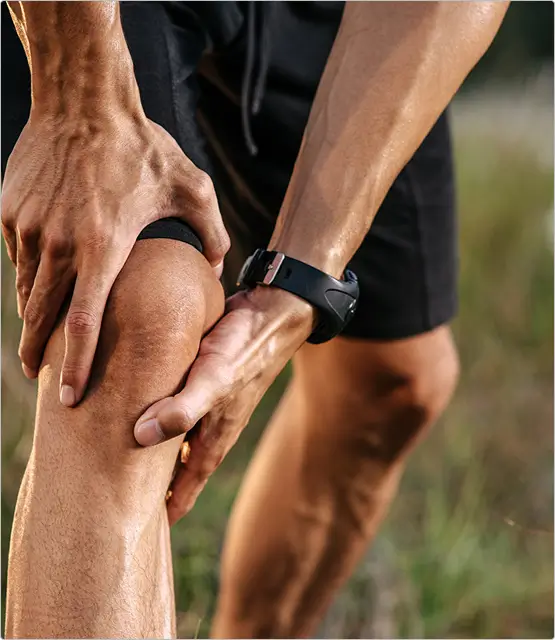
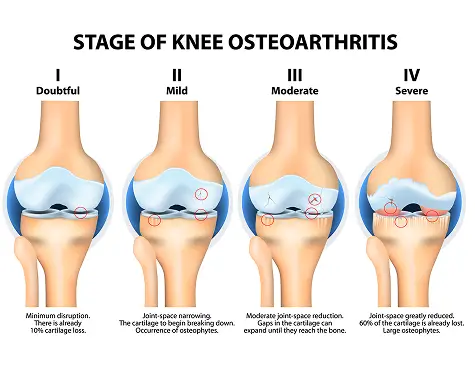
Knee osteoarthritis is one of the most common causes of chronic joint pain. It occurs when the protective cartilage that cushions the knee joint gradually breaks down over time. As this cartilage wears away, the bones within the joint may begin to rub against one another, leading to pain, stiffness, and inflammation.
This condition typically develops slowly and may worsen as the joint experiences continuous wear and tear. Osteoarthritis of the knee is often associated with aging, but it can also occur in younger individuals, particularly after injuries or repetitive stress on the joint.
Common Symptoms of Knee Osteoarthritis
People with knee osteoarthritis may experience symptoms such as:
- Persistent knee pain during movement or activity
- Stiffness, particularly in the morning or after periods of rest
- Swelling around the knee joint
- Reduced range of motion
- Difficulty walking, climbing stairs, or standing for long periods
Symptoms may vary from mild to more persistent discomfort that affects daily activities.
Who Is at Risk?
Several factors can increase the likelihood of developing knee osteoarthritis, including:
- Age-related joint degeneration
- Previous knee injuries
- Repetitive stress on the knee joint
- Excess body weight
- Family history of osteoarthritis
Because the knee joint plays a central role in mobility and weight-bearing movement, even mild degeneration can gradually lead to noticeable symptoms.
Frozen Shoulder (Adhesive Capsulitis)
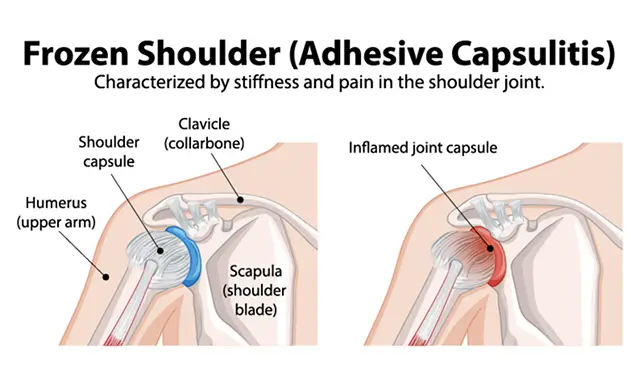
Frozen shoulder, also known as adhesive capsulitis, is a condition that causes stiffness and pain in the shoulder joint. It develops when the capsule surrounding the shoulder joint becomes inflamed and thickened, restricting normal movement.
Frozen shoulder typically develops in stages and can significantly limit a person’s ability to lift or rotate their arm.
Symptoms of Frozen Shoulder
Patients with frozen shoulder may experience:
- Persistent shoulder pain
- Gradual loss of shoulder mobility
- Difficulty reaching overhead or behind the back
- Stiffness that worsens over time
- Pain that may intensify at night
Many individuals first notice symptoms when simple activities, such as putting on a jacket or reaching for an object on a shelf, become more difficult.
Who Is Most Likely to Develop Frozen Shoulder?
Frozen shoulder is more commonly seen in:
- Adults between ages 40 and 60
- Individuals recovering from shoulder injury or surgery
- People with limited shoulder movement for extended periods
- Individuals with certain metabolic conditions
Early recognition of symptoms may help prevent severe loss of motion.
Tennis Elbow (Lateral Epicondylitis)
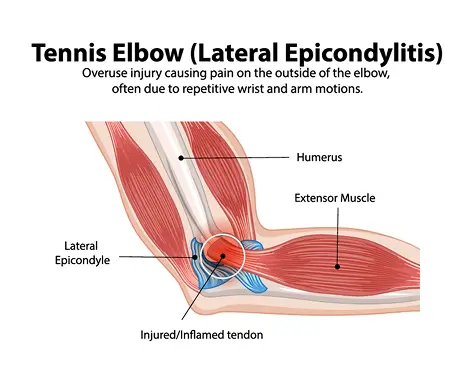
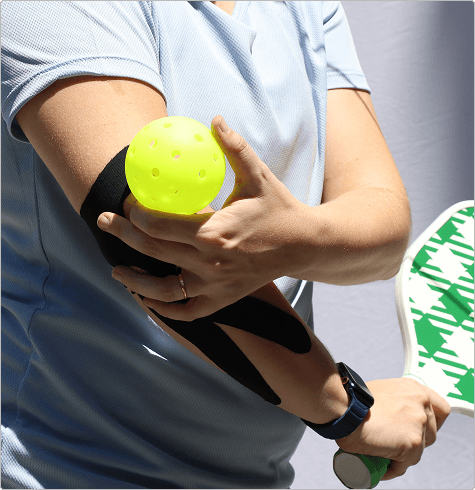
Tennis elbow, medically known as lateral epicondylitis, is a condition that affects the tendons around the outside of the elbow. Despite its name, tennis elbow is not limited to athletes and can affect anyone who performs repetitive arm or wrist movements.
This condition develops when the tendons that connect the forearm muscles to the elbow become irritated or inflamed due to repeated stress.
Symptoms of Tennis Elbow
Common symptoms of tennis elbow include:
- Pain or burning sensation on the outer part of the elbow
- Weak grip strength
- Discomfort when lifting objects
- Pain when twisting the wrist or forearm
- Increased discomfort during repetitive hand movements
The pain may start gradually and worsen over time, particularly during activities that involve gripping or lifting.
Causes and Risk Factors
Tennis elbow is often associated with repetitive motion that places strain on the forearm muscles and tendons. Common contributing activities include:
- Repetitive lifting or gripping
- Frequent use of tools or equipment
- Certain sports involving repeated arm motion
- Occupational activities requiring wrist movement
Over time, these repeated stresses can cause small tears within the tendons, leading to inflammation and pain.
When to Seek Evaluation for Joint Pain
Joint pain that persists for several weeks or continues to interfere with normal activities may warrant evaluation by a specialist. While occasional soreness after activity is common, ongoing discomfort or loss of mobility may indicate an underlying joint condition.
Symptoms that may suggest a joint disorder include:
- Pain or burning sensation on the outer part of the elbow
- Weak grip strength
- Discomfort when lifting objects
- Pain when twisting the wrist or forearm
- Increased discomfort during repetitive hand movements
Understanding the cause of joint pain is the first step toward identifying appropriate treatment options and improving long-term joint health.
Learn More About Joint Pain Conditions
Joint pain disorders such as knee osteoarthritis, frozen shoulder, and tennis elbow affect many people and can have a meaningful impact on everyday mobility and comfort. Learning about the causes and symptoms of these conditions can help individuals better understand what they may be experiencing.
At California Joint Pain Institute, we provide patient education and evaluation for individuals experiencing chronic joint discomfort. Our goal is to help patients gain a clearer understanding of their condition and explore options for improving mobility and quality of life.