
Elbow Artery Embolization (EAE)
A Minimally Invasive Treatment for Chronic Tennis Elbow
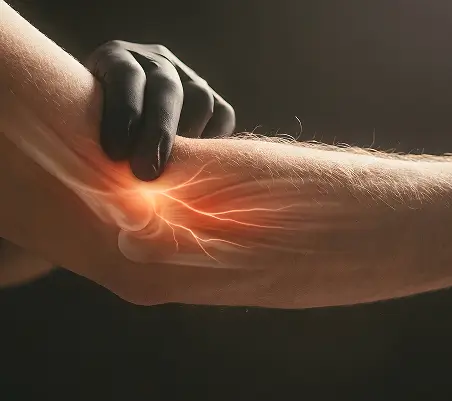
Tennis elbow, medically known as lateral epicondylitis, is a common condition that causes persistent pain on the outer part of the elbow. Despite the name, tennis elbow can affect anyone and often develops from repetitive movements of the wrist and forearm. Over time, irritation of the tendons around the elbow can lead to inflammation, weakness, and discomfort that interfere with everyday activities.
For many patients, tennis elbow improves with rest, physical therapy, or anti-inflammatory medications. However, some individuals experience symptoms that linger for months or even years, making it difficult to grip objects, lift items, or perform repetitive tasks.
At California Joint Pain Institute, we offer Elbow Artery Embolization (EAE), a minimally invasive, image-guided procedure designed to help reduce inflammation associated with chronic tennis elbow.
What Is Elbow Artery Embolization?
Elbow Artery Embolization (EAE) is a modern treatment that targets the abnormal blood vessels that can develop in areas of chronic tendon inflammation around the elbow.
In patients with long-standing tennis elbow, inflammation can lead to the formation of small abnormal blood vessels near the irritated tendons. These vessels can contribute to ongoing pain signals and prolonged inflammation.
EAE works by carefully reducing blood flow in these abnormal vessels, which may help calm the inflammatory process and reduce pain in the affected area.
The procedure is performed using advanced imaging guidance, allowing physicians to precisely navigate a small catheter to the tiny blood vessels surrounding the elbow.
Because the treatment targets only the vessels associated with inflammation, the surrounding structures of the elbow remain intact.
How the EAE Procedure Works
Elbow Artery Embolization is performed in an outpatient setting and does not require traditional surgery.
During the procedure:
- A small catheter is inserted through a tiny entry point, typically in the wrist or upper arm.
- Using specialized imaging technology, the physician guides the catheter to the small arteries supplying the inflamed tissue near the elbow.
- Tiny embolic particles are delivered to reduce blood flow in these abnormal vessels.
- Once the targeted vessels are treated, the catheter is removed and a small bandage is applied.
Because the procedure is minimally invasive, large incisions and surgical repair are not required. Most patients are able to return home the same day.
Why Tennis Elbow Can Be Difficult to Treat
One of the challenges with tennis elbow is that treatment options are often limited when symptoms persist.
Many patients begin with conservative treatments such as:
- Rest and activity modification
- Physical therapy
- Anti-inflammatory medications
- Bracing or supportive devices
- Corticosteroid injections
While these approaches can be helpful, they do not always resolve chronic tendon inflammation. In many cases, patients are simply advised to wait for the condition to improve over time, which can take several months or longer.
For individuals who continue to experience pain despite conservative care, minimally invasive procedures like EAE offer another potential option to address the underlying inflammatory process.
Benefits of Elbow Artery Embolization
Patients may be interested in EAE because it offers several advantages compared to more invasive treatment approaches.
Potential benefits include:
- Minimally invasive treatment
- No large surgical incisions
- Outpatient procedure
- Targeted treatment of inflammation
- Shorter recovery time compared to surgery
- Preservation of the elbow joint and surrounding tissues
Because the procedure is guided by real-time imaging, physicians can precisely identify and treat the vessels associated with chronic inflammation.
Who May Be a Candidate for EAE?
Elbow Artery Embolization may be considered for individuals who:
- Have been diagnosed with chronic tennis elbow
- Continue to experience elbow pain despite conservative treatment
- Have symptoms that interfere with daily activities
- Are looking for minimally invasive treatment options
A consultation and imaging review are typically needed to determine whether the procedure may be appropriate for a particular patient.
What to Expect After the Procedure
After EAE, patients typically spend a short period of time in recovery before returning home the same day. Many individuals are able to resume light daily activities relatively quickly, though specific recommendations may vary depending on the patient and their symptoms.
As inflammation decreases, patients may notice gradual improvements in elbow comfort and function. Follow-up appointments allow physicians to monitor recovery and ensure that the elbow is responding well to treatment.

Learn More About Minimally Invasive Treatment for Tennis Elbow
Chronic tennis elbow can make simple tasks like lifting objects, gripping tools, or performing repetitive movements uncomfortable. When symptoms persist despite conservative care, exploring additional treatment options may be helpful.
At California Joint Pain Institute, our team provides specialized evaluation and minimally invasive procedures such as Elbow Artery Embolization (EAE) for patients experiencing ongoing elbow pain. Contact California Joint Pain Institute in Irvine, CA to learn more about treatment options for chronic tennis elbow and determine whether EAE may be appropriate for your condition.